< Work|Calendly

Rebuilding Calendly's Permissions System

Enterprise Systems Design UX Architecture B2B

Years of fast, yet unstructured decisions had left Calendly's user management with an inconsistent system, with no Groups, no Managed Events, and a team model that assumed everyone belonged to exactly one team, and it was costing the business real enterprise accounts.

As Principal Design Lead, I ran a Product Inception with our Staff PM and Tech Lead that turned into a 5-stream program to rebuild permissions and user management from the ground up, giving organizations the delegation, branding control, and privacy flexibility they actually needed. The result: new enterprise accounts the sales team couldn't previously pursue.

At a glance
Team
4 designers across 5 work streams, partnering with a core leadership team of a Staff PM, Architect and Tech Lead
Role
Principal Design Lead
Responsibilities
Product & Design Strategy, Information Architect, Inception Facilitator, Research
Industry
Enterprise Scheduling
Timeline
3 months strategy & inception
11 months execution
Platform
Web and Mobile

Context & Problem

Calendly was growing fast, and every team shipped their own piece of the product without a shared vision for permissions and user management. Over years, that added up to decisions that made sense in isolation but couldn't scale to where our customer base was going. What we actually needed was a cleaner, more flexible system for permissions, user management, and object access.

Product Inception

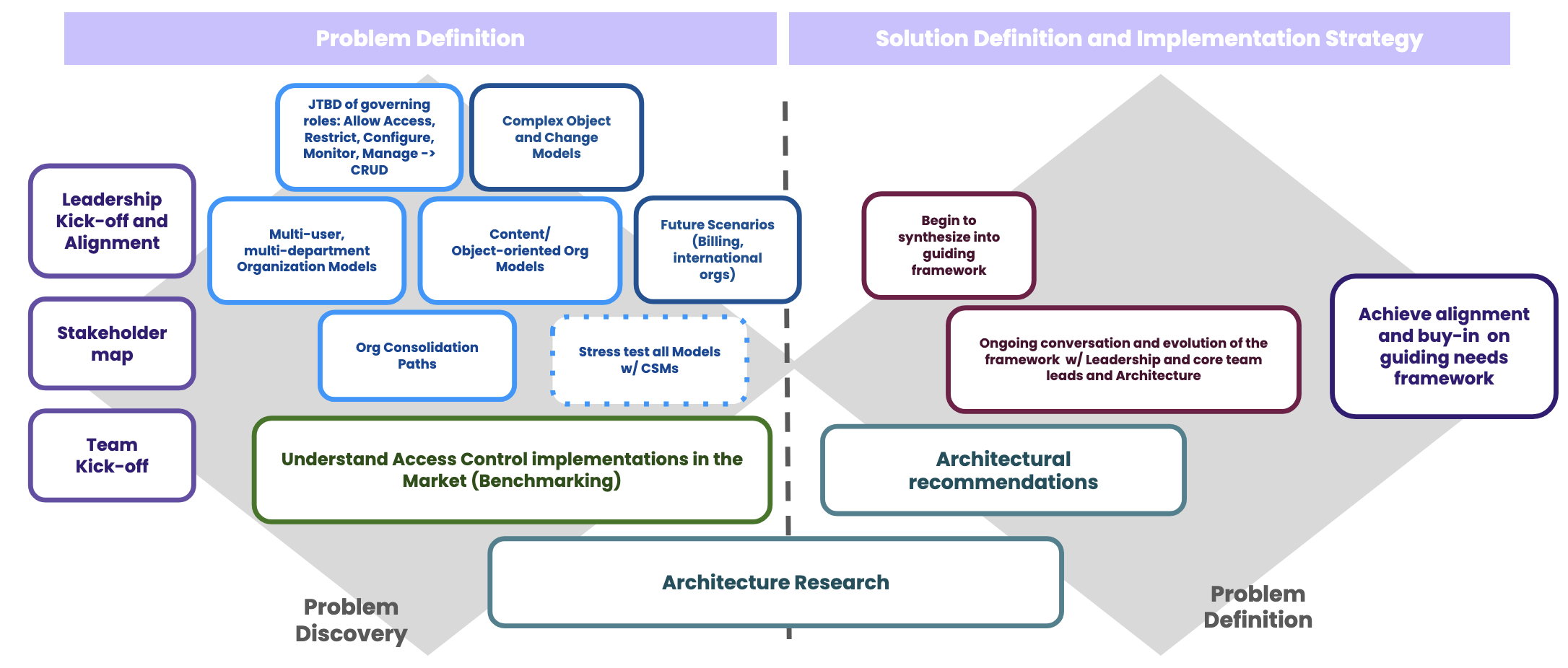
I planned a multi-session workshop series in a project inception framework that brought stakeholders and customers together to break down the problem collectively. I strategically selected activities to keep everyone aligned, informed, and actively participating as we mapped every area of the product and our clients.

Product inception workshop board

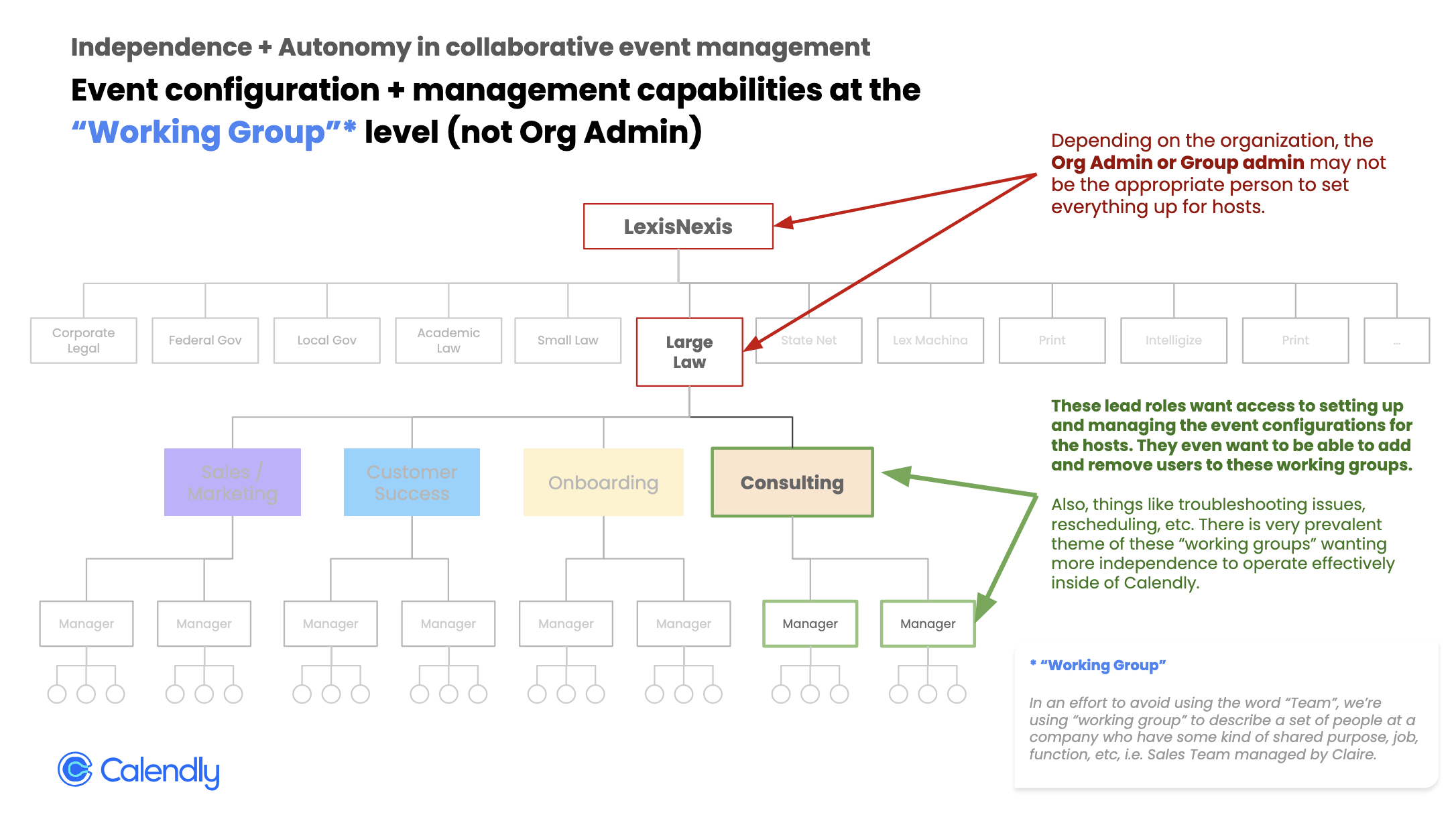
Mapping typical setups of Enterprise Calendly accounts

In order to understand the customer needs of large accounts, we needed to work closely with customer success teams and account managers. We had to capture high-level need patterns from an Admin purview, documenting different themes of issues across privacy, security, sharing, and management.

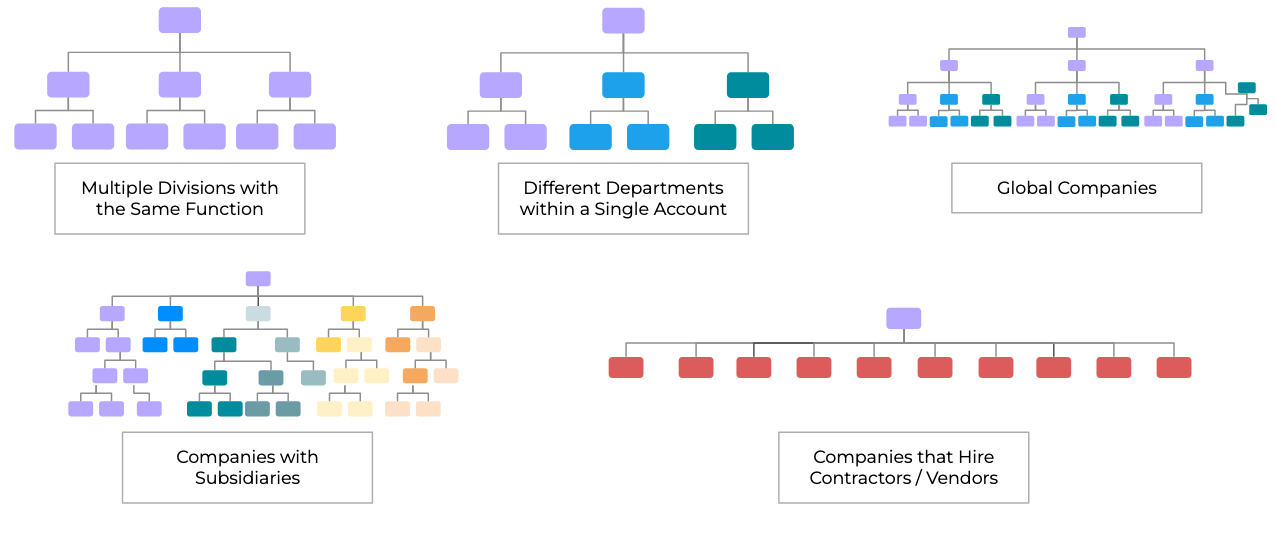
Creating Five Organizational Archetypes

In order to understand the customer needs of large accounts, we needed to work closely with customer success teams and account managers. We had to capture high-level need patterns from an Admin purview, documenting different themes of issues across privacy, security, collaborative scheduling, sharing, and direct, hands-on management.

Five organizational archetypes

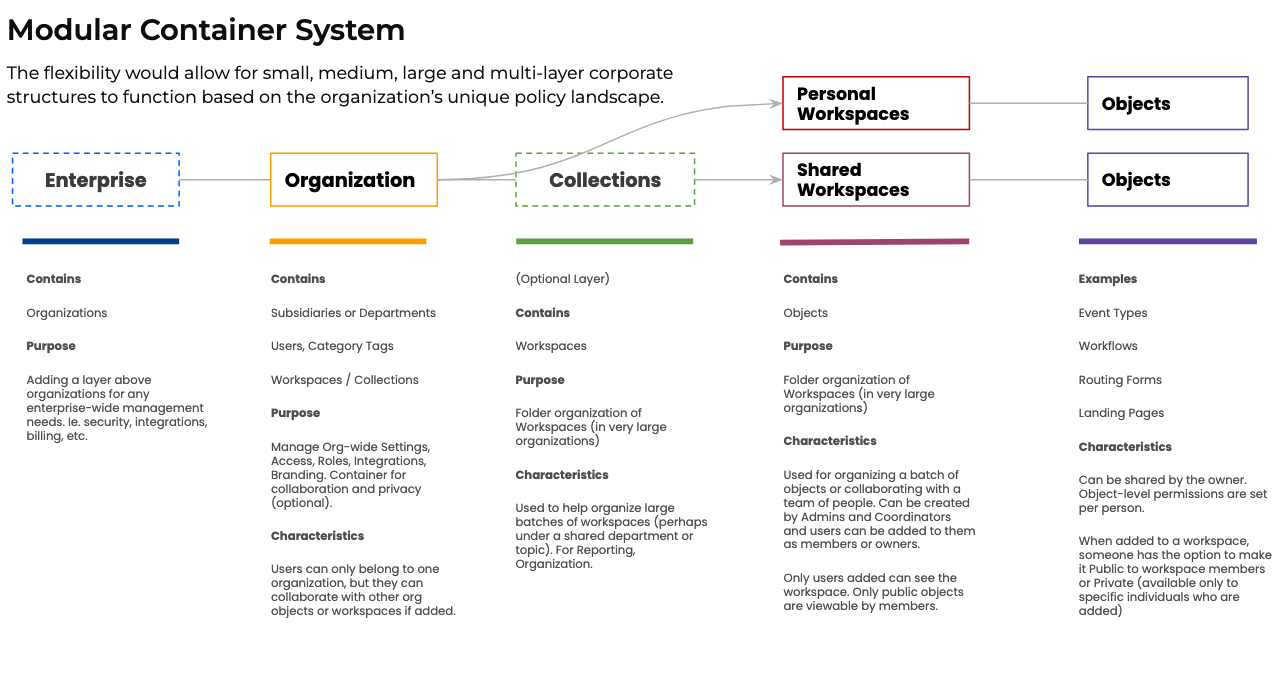
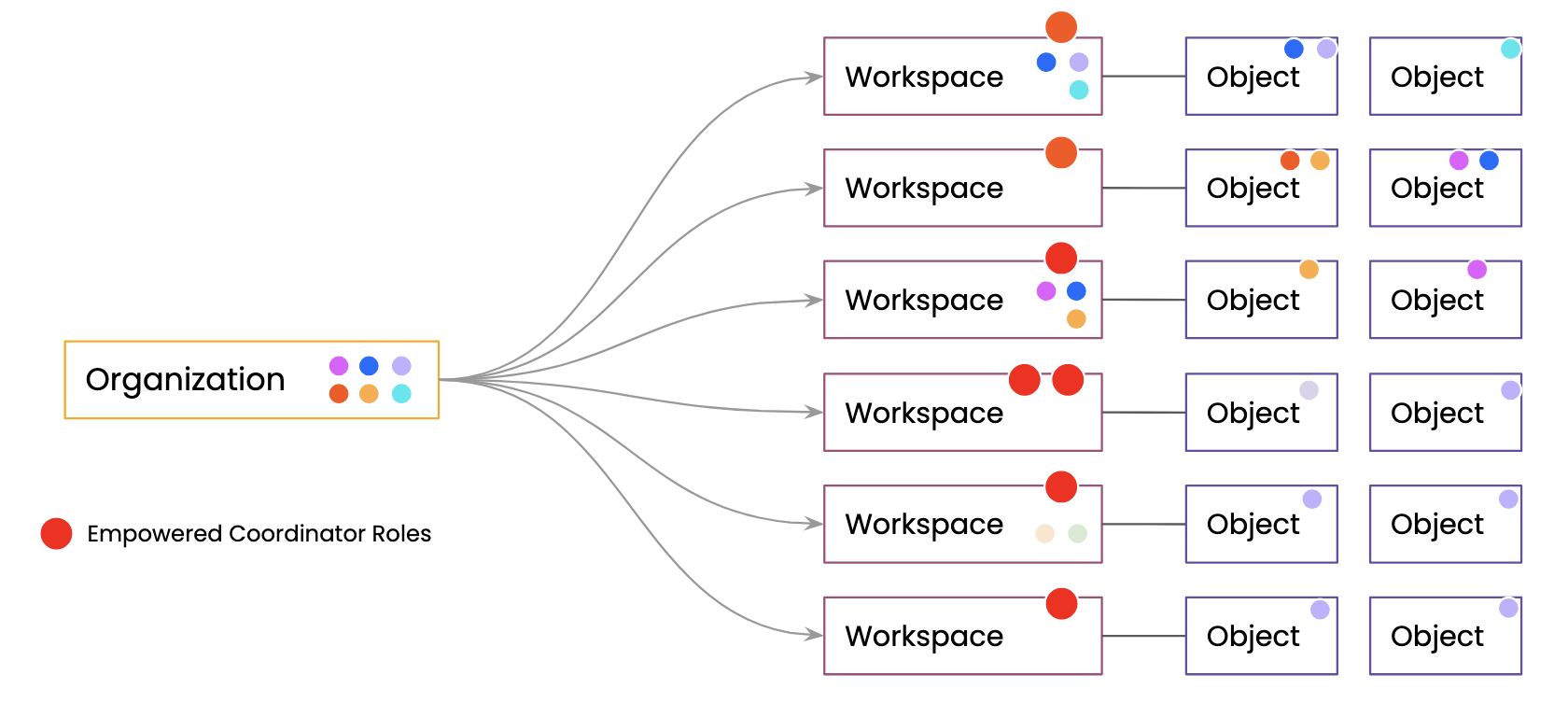
Creating a Modular Container System

A new flexible system which would allow for small, medium, large and multi-layer corporate structures to function based on the organization's unique policy landscape.

Modular container system diagram

Workspace-based object management model

Objects are abstracted away from the user, users are owners of objects which live in a container. People can have membership to that container.

This workspace based approach was found to be used by other SaaS platforms such as Google Drive, Asana, Airtable and others.

Workspace-based object management model

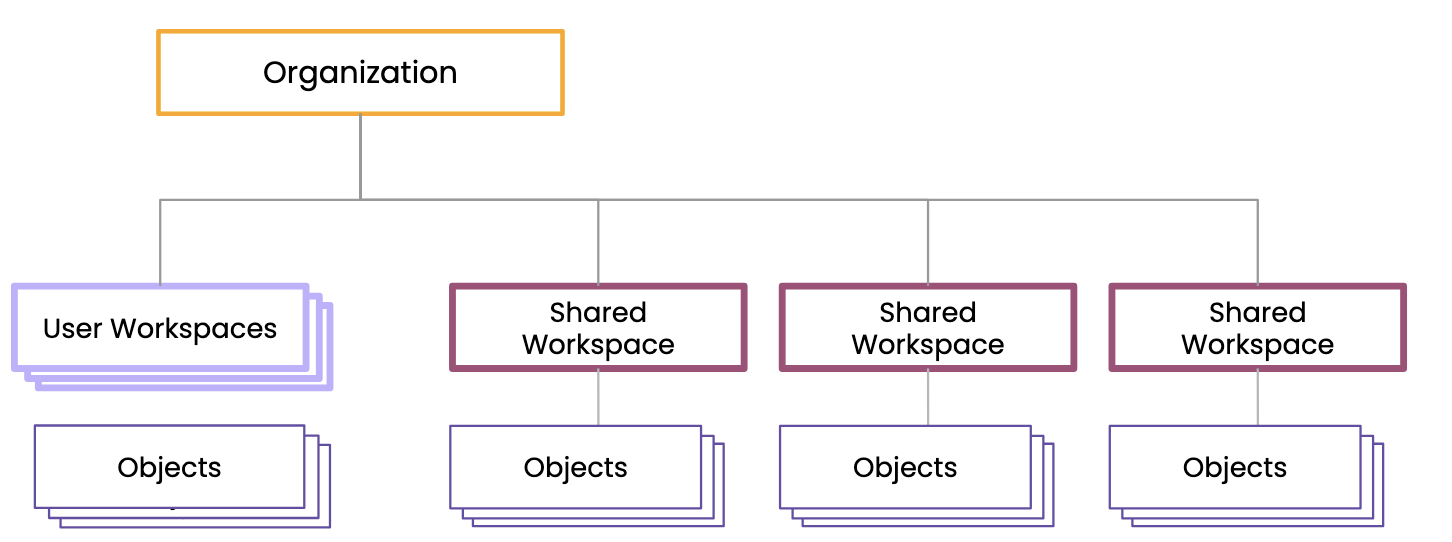
Personal Workspaces vs. Shared Workspaces

Moving away from a model of users as the main container for event objects toward a more flexible workspaces model allowed for separation and greater access control to organization administrators.

Personal workspaces vs. shared workspaces

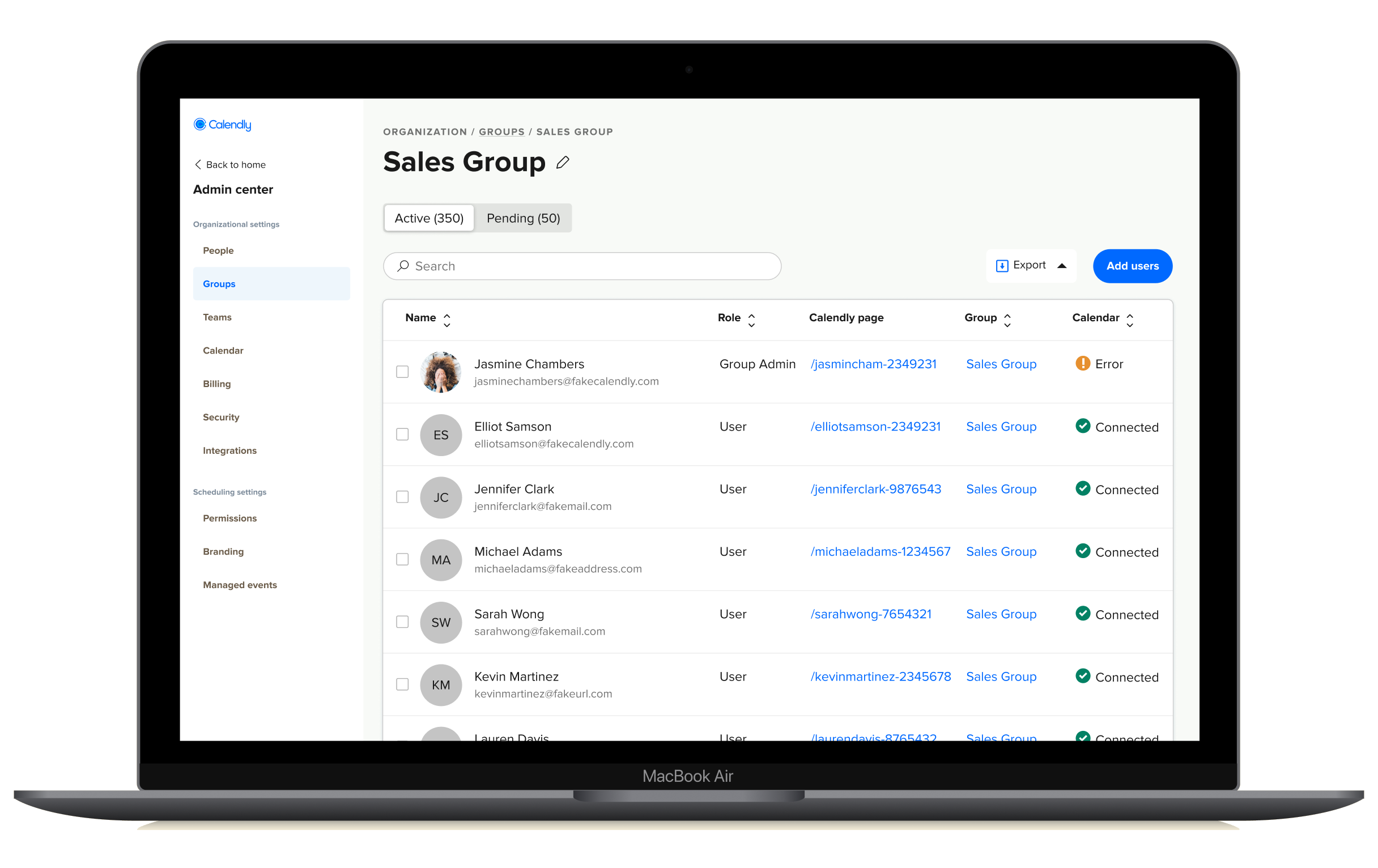
Brand New Admin Management Center

A central hub for managing all permissions, users, roles, teams, groups and more.

Admin Management Center, people table

Results

Before After

No way to delegate management to department or group leads, everything routed through a single admin

Groups feature, with delegated group admins who can manage their own members, pull department-level reporting, and set up complex routing.

Brand and policy updates required an admin to manually log into individual accounts and change settings one by one

Managed Events, letting admins centrally control branding, visibility, and settings to allow flexible customization.

Users could only belong to one team, so a cross-functional initiative or campaign couldn't get its own team without breaking someone's primary org structure

Teams as a nested layer within Groups, letting a person belong to multiple teams at once.

All-or-nothing visibility, which became a non-starter for companies with strict client data privacy policies.

Configurable visibility, so organizations with strict privacy needs and organizations that wanted full transparency could both be supported by the same underlying system.

Impact

This work unblocked the business in three concrete ways.

01 Unblocking Enterprise Sales

Sales could finally pursue strict-privacy enterprise clients, like financial institutions, that the old permissions model couldn't support at all.

02 Supporting Complex Organizations

The product could finally accommodate large, multi-layered organizations, global companies with regional structures like Pinterest, and companies managing multiple owned subsidiaries like Adobe, instead of forcing them into a one-size-fits-all model that didn't reflect how they were actually organized.

03 Aligning the Product Org

Multiple product teams got a shared foundation to build on, replacing years of teams solving permissions problems in isolation with one aligned approach everyone could build against.

What Made This Work

Research at real scale

60 customers synthesized into 5 clear archetypes, not anecdotal guesses

Cross-functional partnership from day one

Staff PM and Tech Lead involved throughout, not brought in at handoff

Guided autonomy

Enough shared structure to keep 5 independent streams coherent, without slowing any of them down

A model built for the next 5 years, not just the current backlog

Flexible enough to accommodate structures we hadn't seen yet